Safer Construction Starts at Ground Level: Why Access Should Be Planned From the Start
On any construction or engineering project, access is essential to getting the job done safely and efficiently. Yet it is often something that is considered once the work is already underway.
By that point, structures may be in place, equipment installed and working areas established, making changes to access more complicated, disruptive and expensive.
A Better Way is to plan access from the beginning.
When access is considered alongside the engineering, design and temporary works strategy, project teams can create safer working environments, improve efficiency and reduce the pressure of solving problems reactively on site.
Access is part of the engineering process
Access shouldn’t be treated as simply a way of getting from A to B. It needs to be considered as part of how the project will actually be constructed, maintained and operated.
Where will people need to work?
How will they reach those areas?
What will they need to carry?
How frequently will the area be accessed?
Will access requirements change as the project progresses?
These questions can have a significant impact on the type of access required.
For example, an area may require temporary stairs during construction, a working platform during installation and maintenance access once the project is complete. Each stage can present different challenges.
Considering these requirements early gives engineers and project teams the opportunity to develop appropriate solutions before work begins.
Plan for the whole project lifecycle
One of the biggest mistakes in access planning is focusing solely on the finished structure.
Construction sites are constantly changing. Levels change, temporary structures appear and disappear, equipment is installed and working areas become increasingly congested.
Access therefore needs to work with the project, rather than simply being designed for a single point in time.
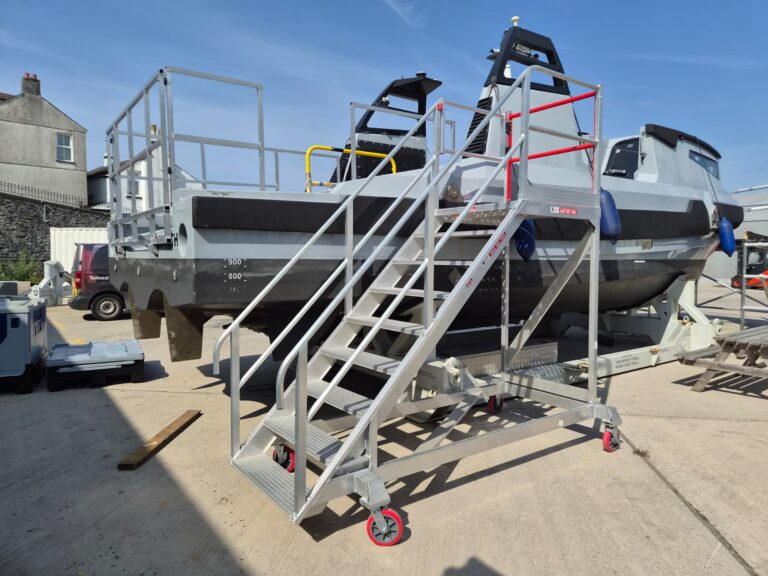
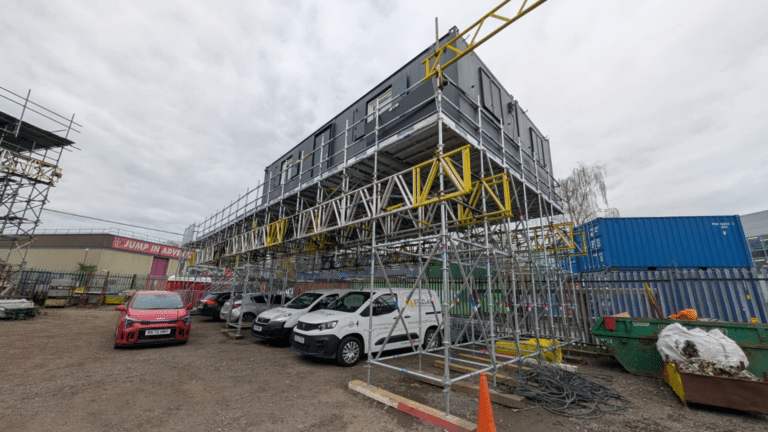
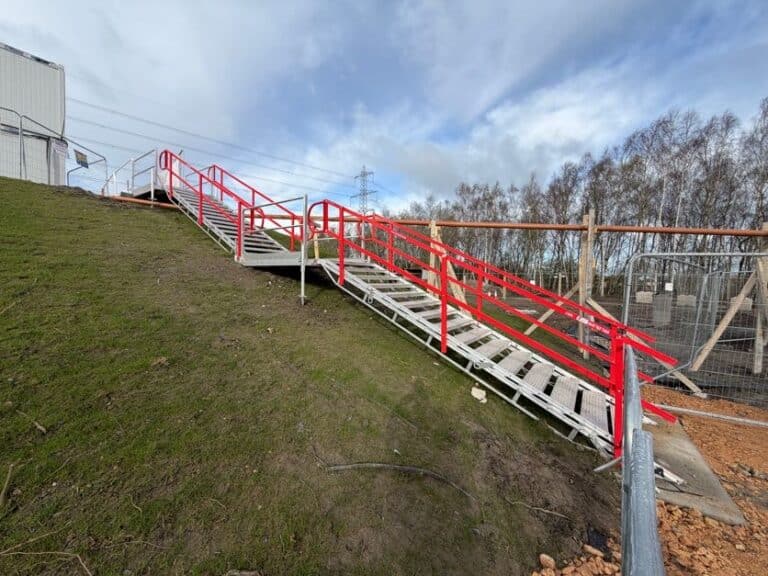
Temporary stairs can provide safer movement between changing levels. Modular stepovers can help maintain safe routes over obstructions. Work platforms can provide dedicated areas for installation, inspection and maintenance, while edge protection can help safeguard exposed edges throughout different phases of construction.
Planning these requirements from the outset can prevent teams from having to create improvised solutions later.
Good access improves efficiency
Safety and productivity are closely connected.
When workers have appropriate access to their working area, they can spend more time carrying out tasks and less time navigating around obstacles, repositioning equipment or finding alternative routes.
Poor access can create small inefficiencies that quickly add up across a project. Purposeful access helps create a more controlled working environment.
When access is right, the work becomes easier.
Design for changing conditions
Flexibility is particularly important when planning temporary access. A traditional solution that works perfectly at the start of a project may no longer be suitable several weeks or months later. Changes in working height, structure, equipment and site layout can all affect access requirements.
This is why adjustable and modular access solutions can be invaluable.
Rather than designing an access solution around one fixed situation, engineers can consider how it may need to adapt as the project develops. This could mean adjustable working heights, modular configurations or systems that can be repositioned as the working environment changes. The objective is simple: create access that can adapt without compromise.
Consider the people using it
A technically suitable solution isn’t necessarily the most practical one if it doesn’t reflect how workers perform the task.
Consider how materials will be handled, whether tools need to be carried, how frequently workers will enter and leave the area and how much working space is required. For repetitive tasks, these considerations become even more important. Providing sufficient space and a stable working environment can make tasks easier and reduce unnecessary movement. Engaging site teams, engineers and health and safety professionals early can help identify these practical considerations before construction begins.
Get temporary works right from the start
Temporary works can have a major influence on the safety and efficiency of a construction project. Access systems, edge protection, platforms and temporary structures need to work alongside the permanent works, making early coordination particularly important. Temporary access should be considered alongside structural sequencing, site logistics and the wider construction programme. Where possible, access requirements should be incorporated into drawings, method statements and temporary works planning before the relevant phase begins. This can reduce last-minute modifications and help ensure that the right equipment is available when it is needed.
Poor planning creates unnecessary pressure
When access hasn’t been considered early enough, the consequences often extend beyond safety.
Teams can find themselves dealing with unexpected fabrication, additional labour, equipment changes, programme delays and difficult working conditions. These problems can put unnecessary pressure on site managers, engineers and contractors.
In contrast, early access planning allows potential issues to be identified while there is still time to address them properly. The earlier an access challenge is identified, the easier it is to solve.
Ask the right questions early
Effective access planning doesn’t have to be complicated. It starts with asking the right questions during the design and planning stages.
Where will people need to work?
How will they safely reach those areas?
What will they need to carry or handle?
What changes will occur as the project progresses?
Where are the potential fall hazards or changes in level?
Can the access solution adapt to changing site conditions?
By answering these questions before work begins, project teams can make better-informed decisions and avoid relying on reactive solutions.
Safer access starts with better planning
Access is fundamental to construction, but it shouldn’t be something that is solved once the project reaches site.
By incorporating access into the engineering and temporary works strategy from the outset, teams can create safer working environments, improve productivity and reduce the stress associated with last-minute improvised solutions.
The best access solution is the one that has been properly considered, engineered for the task and designed around the people who will use it.
At SafeSmart, we believe that taking a considered approach to access can make construction safer, simpler and more efficient.
Because when you plan access from the ground up, you can plan in A Better Way from the start.