Every year, the Health and Safety Executive (HSE) publishes workplace injury and fatality statistics.
While the numbers change slightly from year to year, one thing remains remarkably consistent.
Construction continues to be one of the UK’s highest-risk industries.
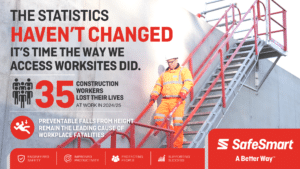
In the latest HSE figures, 35 construction workers lost their lives while at work, making construction the sector with the highest number of fatal injuries.
Even more concerning is that falls from height remain the leading cause of fatal workplace accidents across all industries.
For an industry that has invested heavily in technology, equipment and safety management systems, it’s worth asking an important question:
Why do the same incidents continue to happen?
Safety Begins Before Work Starts
Many workplace incidents happen because the real world work environment makes safe choices difficult.
Workers may find themselves:
- Using ladders for tasks better suited to a work platform.
- Crossing trenches, services or pipework using improvised solutions.
- Working near exposed edges without adequate protection.
- Navigating unstable options that aren’t suited to changing site conditions.
- Adapting equipment for applications it was never designed to perform.
When these situations become accepted as “just part of the job”, risk becomes normalised.
The safest sites don’t simply rely on workers making better decisions.
They design safer decisions into the project from the outset.
The Hidden Cost of Poor Site Access
Unsafe access isn’t only measured in injuries.
It also impacts productivity, project timelines and operating costs.
Poorly designed access routes can lead to:
- Increased manual handling.
- Lost productivity.
- Delays while temporary access is modified.
- Increased equipment damage.
- Higher exposure to regulatory action.
- Reduced workforce confidence.
The right access solution improves far more than compliance, it creates a more efficient workplace.
Engineering Out the Risk
One of the most effective ways to reduce workplace risk is through the hierarchy of control.
Rather than relying solely on procedures or PPE, engineers and project managers should look for opportunities to eliminate or minimise hazards through better design.
This is where engineered access solutions make a measurable difference.
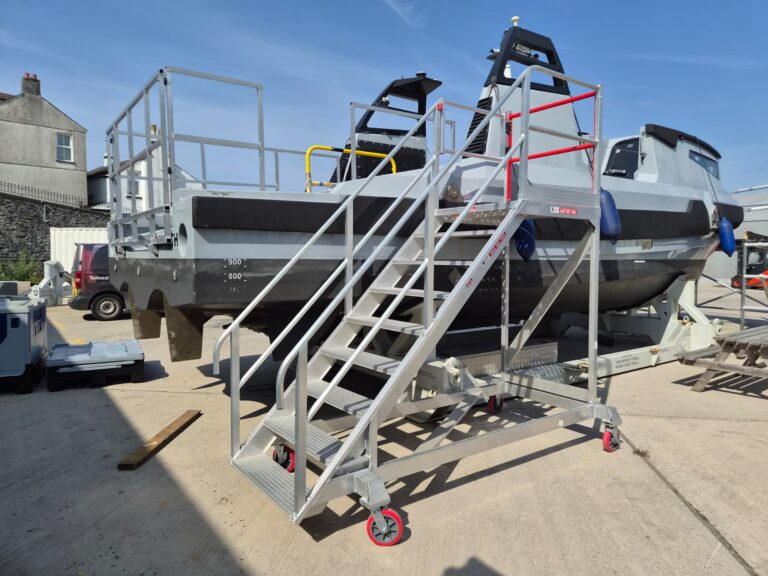
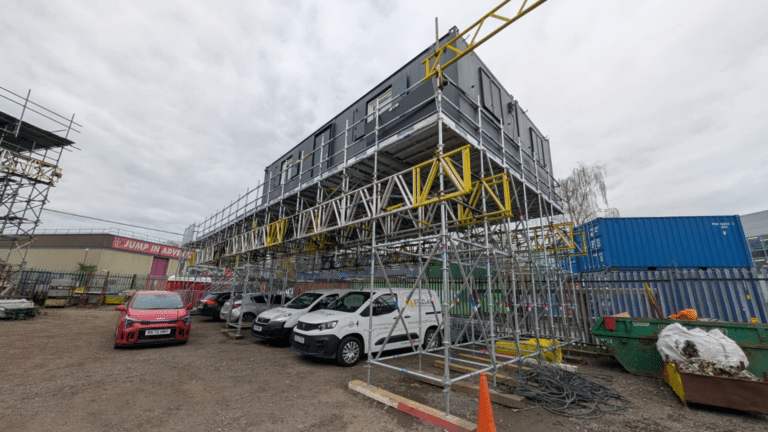
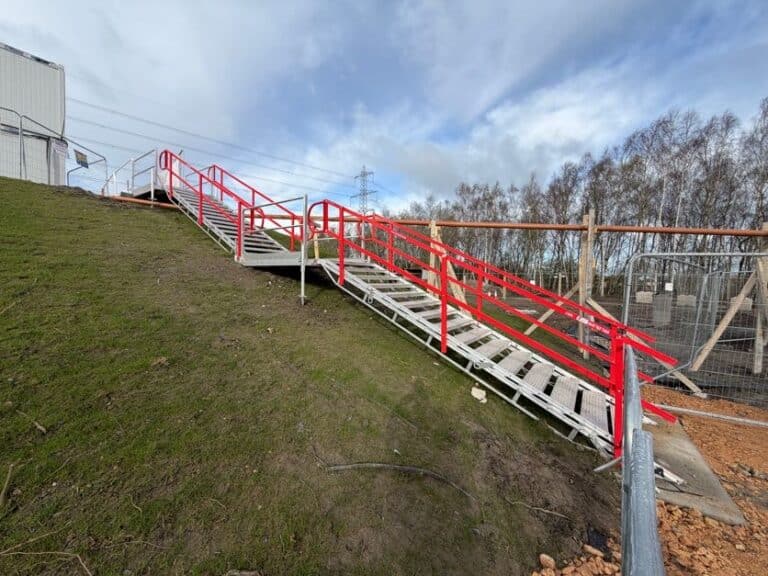
Purpose-built Temporary Stairs, StepOver Platforms, Modular Scaffolding, and Edge Protection Systems reduce the need for improvised access while creating safer movement around site.
A Better Way On Site
At SafeSmart, we believe safety and productivity should work together.
Our engineered access systems are designed to help contractors, infrastructure providers and major engineering teams create safer, more efficient workplaces.
Solutions including AdjustaStairs, Modular StepOvers, ProScaf Scaffolding and AdaptaPanel Edge Protection help reduce common site hazards while improving access throughout every stage of a project.
Every site is different. That’s why we also work with clients to develop bespoke access solutions that address unique challenges while meeting project and compliance requirements.
Looking Beyond the Numbers
Statistics are important because they help us understand where risk exists, but their real value lies in encouraging action.
Every worker deserves to return home safely at the end of the day, every project deserves access systems designed for the way people actually work, and every site has the opportunity to choose A Better Way.
If the construction industry wants to see those statistics improve, it starts by improving the environments we ask people to work in.
We’re committed to helping make that happen, one safer access solution at a time.
Ready to create a safer worksite?
Explore our range of engineered access solutions or speak with our team about a bespoke solution designed for your next project:
https://www.safesmartaccess.co.uk/industries/civil-construction/